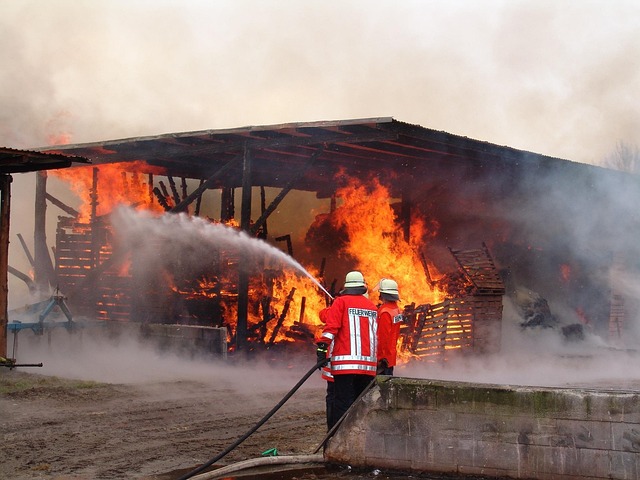
Fire Restoration: Cleaning Up Boerne Homes After a Blaze
What to do after a house fire in Boerne, Texas involves a structured approach:1. Assessment & Sa.......
Read more →
In the face of a devastating house fire, knowing what steps to take next can be overwhelming for any Boerne, Texas, resident. This article aims to serve as an all-encompassing guide, offering a detailed roadmap through the immediate aftermath and long-term recovery process. From ensuring everyone's safety to navigating insurance claims and rebuilding efforts, we'll explore every critical aspect of "What to do after a house fire in Boerne, Texas." Understanding these procedures is not just about practical necessity; it empowers individuals and communities to bounce back stronger, fostering resilience against future disasters.
Definition: "What to do after a house fire in Boerne, Texas" encompasses the immediate actions, processes, and strategies employed to manage and recover from a residential fire event. It involves coordinating efforts for safety, stabilization, recovery, and restoration, ensuring residents' well-being and property protection.
Core Components:
Safety First: The initial priority is always the well-being of occupants. Evacuate everyone promptly and call emergency services. Check for injuries, provide first aid if trained, and ensure all individuals are accounted for.
Fire Extinguishment: If it's safe to do so, attempt to extinguish small fires using appropriate equipment. However, prioritize evacuating and leave larger blazes to professionals.
Documentation and Reporting: Document the fire's extent and damage by taking photos or videos. Notify local authorities and insurance providers promptly, providing detailed information about the incident.
Stabilization and Preservation: Prevent further damage by shutting off utilities (water, gas, electricity) if safe to do so. Protect valuable items from looters, board up broken windows, and cover exposed areas to shield against weather.
Recovery Planning: Begin coordinating recovery efforts, including temporary accommodation, clothing, food, and essential supplies for affected residents.
Historical Context: House fires have been a significant concern throughout history, shaping building codes and community response strategies. In medieval times, fire was a common hazard in densely populated cities, leading to the establishment of fire brigades. Modern approaches to fire safety and recovery have evolved significantly due to technological advancements, stricter building regulations, and improved emergency services.
International Influence: The concept of post-fire recovery is a universal concern, yet its implementation varies globally. Boerne's strategies can offer insights into best practices shared internationally, particularly in regions with similar climate patterns and housing types.
Trends Shaping the Field:
Rapid Response Teams: Many cities are forming specialized fire response teams trained in post-fire management, ensuring quicker recovery times.
Smart Home Technology: Integrating smart home devices for early fire detection and automatic shut-off valves is gaining traction, reducing potential damage.
Community Resilience Programs: Local initiatives focus on empowering residents to prepare for and respond to disasters, enhancing overall community resilience.
Regional Variations:
Market Dynamics: House fires significantly impact the local real estate market, affecting property values and rental rates in affected areas. The reconstruction process stimulates economic activity through construction, supply, and service industries.
Investment Patterns: Insurers play a critical role in post-fire recovery by providing financial support to policyholders. In some cases, investment opportunities arise from rebuilding efforts, attracting developers and investors.
Economic System Integration:
Insurance Claims: Understanding insurance policies is crucial. Homeowners should review their coverage for personal belongings, structural damage, and additional living expenses during repairs.
Government Grants and Assistance: Local governments often offer financial aid, grants, and low-interest loans to help residents rebuild and recover.
Economic Recovery Strategies: Businesses in the construction and renovation sectors thrive post-disaster, creating employment opportunities and boosting local economies.
Impact of Technology: Modern technology plays a pivotal role in enhancing fire safety, detection, and recovery efforts:
| Technology | Description | Impact |
|---|---|---|
| Smoke Detectors | Advanced smoke alarms with smart connectivity can notify occupants and emergency services simultaneously. | Reduces response time and potential damage. |
| Fire-Resistant Materials | New building materials designed to withstand fire, slowing its spread. | Enhances structural integrity and minimizes damage. |
| Drones for Assessment | Aerial drones equipped with thermal imaging can assess fire extent and identify hot spots, aiding in strategic planning. | Provides real-time data for efficient resource allocation. |
| Digital Recovery Platforms | Online platforms streamline insurance claims, offering digital documentation and transparent communication. | Simplifies the claims process, reducing administrative burdens. |
Future Potential:
Key Policies and Regulations:
Building Codes: Local governments enforce building codes, dictating construction materials, wiring standards, and fire safety features to minimize risks.
Disaster Management Plans: Comprehensive plans outlining evacuation routes, shelter locations, and emergency response procedures are mandatory in many regions.
Insurance Regulations: Insurance companies are regulated to ensure fair practices, offering coverage for property damage, loss of personal belongings, and additional living expenses during repairs.
Influence on Development:
Main Challenges:
Communication During Crises: Effective communication is crucial but can be hindered by network congestion or power outages, affecting emergency services and resident coordination.
Access to Resources: Remote or low-income areas may face challenges in accessing necessary resources, including emergency services, insurance coverage, and financial aid.
Emotional Trauma: Fire survivors often experience psychological distress, requiring mental health support alongside physical recovery efforts.
Criticisms and Solutions:
Criticism: Inadequate public awareness about fire safety measures leads to preventable losses. Solution: Implement community education programs and provide resources for fire prevention and preparedness.
Challenge: Looting and property damage during and after fires cause significant financial losses. Strategy: Enhance security measures, encourage neighborhood watch programs, and offer incentives for reporting suspicious activities.
Criticism: Slow insurance claims processing delays recovery efforts. Proposal: Encourage insurers to adopt digital platforms for streamlined claims handling and faster disbursements.
Case Study 1: The Resilient Community of Mountain View, California: After a major wildfire in 2020, Mountain View residents demonstrated remarkable resilience. The city's comprehensive disaster management plan facilitated swift evacuations and coordinated recovery efforts. Local businesses donated resources, volunteers helped with repairs, and government grants accelerated rebuilding, ensuring most residents returned to their homes within a year.
Case Study 2: New Orleans' Post-Katrina Transformation: The devastating Hurricane Katrina in 2005 led to widespread criticism of disaster response. However, the subsequent recovery efforts transformed New Orleans. The city implemented stricter building codes, improved infrastructure, and invested in community resilience programs, making it better prepared for future storms.
Lessons Learned:
Emerging Trends:
Strategic Considerations:
"What to do after a house fire in Boerne, Texas," extends far beyond immediate rescue efforts. It encompasses a complex web of actions, policies, and technological innovations designed to protect lives, property, and communities. As fires continue to pose a significant threat globally, understanding and implementing effective post-fire recovery strategies are essential.
By learning from case studies, embracing new technologies, and advocating for robust policies, Boerne residents can navigate the aftermath of a house fire with resilience and determination. This comprehensive guide aims to equip readers with the knowledge needed to face such challenges head-on, ensuring safer, more resilient communities for the future.
Q: What should I do immediately after a house fire? A: Prioritize everyone's safety by evacuating promptly. Call emergency services and local fire departments. If it's safe, shut off utilities and begin documenting damage with photos or videos.
Q: How can I protect my home from looters after a fire? A: Board up broken windows and doors, ensure security lights are functional, and consider installing security cameras to deter potential looters. Notify neighbors and community watch groups for added vigilance.
Q: What insurance should I have to cover post-fire costs? A: Homeowners insurance typically covers structural damage, belongings, and additional living expenses during repairs. Check your policy's specifics and understand what's covered to facilitate smoother claims processing.
Q: How can technology help during fire recovery? A: Advanced smoke detectors, smart home systems for automatic shut-offs, drones for assessment, and digital platforms for insurance claims streamline recovery processes, enhancing efficiency and effectiveness.
Q: What role does the government play in post-fire recovery? A: Governments provide financial aid, grants, and low-interest loans to support reconstruction. They also enforce building codes, implement disaster management plans, and regulate insurers to ensure fair practices during recovery.